
How Long Does It Take to Adjust to Wearing Hearing Aids?
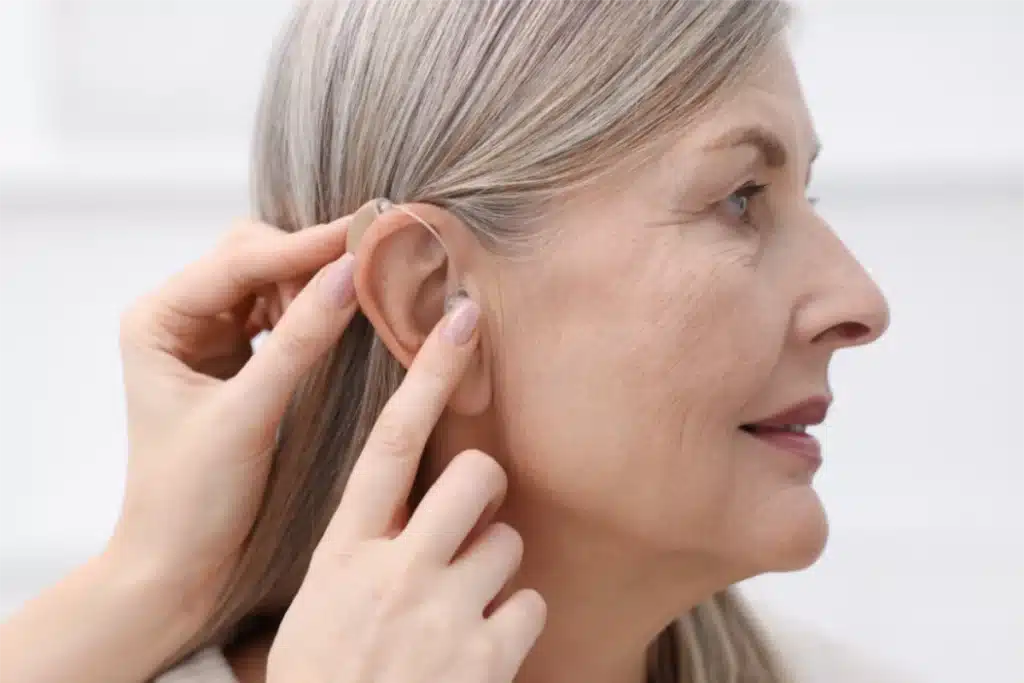
Getting hearing aids is an exciting step. But if you’ve recently been fitted for the first time, or you’re thinking about it, you might be wondering what happens after you walk out of the clinic. Will they feel strange? Will sounds seem too loud? How long before it all feels normal?
These are questions we hear from clients all the time at Hearing Aid Specialists SA. The honest answer is: adjustment takes time, and that’s completely okay. In fact, it’s to be expected. Here’s what you need to know.
Why Adjustment Takes Time
Hearing loss often develops gradually over many years. During that time, your brain quietly adapts to receiving less sound. Certain noises fade into the background. Conversations become harder to follow. You might not even notice just how much you’ve been missing.
When you start wearing hearing aids, your brain suddenly has access to sounds it hasn’t processed properly in a long time. Your own voice sounds different. Background noise seems louder. Everyday sounds like the hum of the fridge, the rustle of a shopping bag, or the sound of footsteps on tiles can feel startling at first.
This isn’t a sign that something is wrong. It’s your brain relearning how to listen. And with a little patience and the right support, it gets easier.
What to Expect Week by Week
Everyone’s experience is a little different, but here’s a general guide to what the adjustment period tends to look like.
Week 1: Everything feels new
The first week is usually the most overwhelming. Your hearing aids might feel physically noticeable in or around your ears. Sounds might seem sharp or louder than you expected. Your own voice may sound strange or echo-like, which is sometimes called the “occlusion effect.”
The key in week one is simply to wear them. Start in quieter environments at home. Give yourself time to get used to the feel and the sound before jumping into noisier situations.
Weeks 2 and 3: Finding your rhythm
By the second and third week, most people start to notice real improvement. The physical sensation of wearing the devices becomes less noticeable. Familiar voices and everyday sounds begin to feel more natural. You might start wearing them for longer stretches throughout the day.
This is also the time when you might notice specific situations where you’d like things to sound a little different. That’s really useful information for your clinician, so keep a note of anything that feels off.
Week 4 and beyond: Settling in
By the end of the first month, many people feel genuinely comfortable with their hearing aids. The brain has had time to adjust. Sounds feel more balanced. Conversations are easier to follow. The devices start to feel less like something you’re wearing and more like a natural part of your day.
For some people this process is quicker, and for others it takes a little longer. Both are normal. What matters is that you keep wearing them consistently and stay in touch with your clinician along the way.
Tips to Help You Adjust
Wear them every day, even when it feels strange. Consistency is the most important thing during the adjustment period. The more your brain is exposed to the new sounds, the faster it adapts. Putting your hearing aids in only occasionally will slow the process down.
Start in quieter environments. Give yourself a gentle introduction. Wear them at home before heading to a busy cafe or a family gathering. As you feel more confident, gradually move into noisier and more complex listening situations.
Talk to the people around you. Let family and friends know you’re adjusting. Ask them to face you when they speak and to talk at a natural pace. Their support can make a real difference, especially in the early weeks.
Keep notes on what feels off. If certain sounds feel too harsh, or if you’re struggling in particular environments, jot it down. Your hearing aid settings can be fine-tuned at a follow-up appointment, and specific feedback helps your clinician make the right adjustments for you.
Be patient with yourself. It’s tempting to compare your experience to what you hoped it would be. But adjustment is a process, not a switch. Give yourself the same patience you’d offer a friend.
Your Clinician Is Part of the Journey
Getting fitted for hearing aids at Hearing Aid Specialists SA is just the beginning of the relationship. We’re here throughout the adjustment period and beyond. If something doesn’t feel right, or you’d like your settings adjusted, please don’t hesitate to come in.
That’s also why we offer a no-obligation 30-day trial. It gives you the chance to try your hearing aids in the real listening environments that matter most to you, whether that’s a family dinner, a shopping centre, or a quiet conversation with a friend, and to see for yourself how they perform before making any long-term decisions.
When to Get in Touch
Most people find that things improve steadily over the first few weeks. But if you’re experiencing ongoing discomfort, persistent feedback (that high-pitched squealing sound), or your hearing aids are not performing the way you hoped after a few weeks of consistent wear, come and see us. There’s a lot we can adjust, and we’d much rather hear from you sooner than later.
Adjusting to hearing aids is a journey, and it’s one you don’t have to take alone. With the right support, the right fit, and a little patience, better hearing really is within reach.
If you have questions about getting started, or you’d like to book a hearing assessment or trial, get in touch with the friendly team at Hearing Aid Specialists SA. We’re here to help.
Book an appointment with Hearing Aid Specialists SA.
We are your local hearing care experts! Visit us today at a clinic near you:
North Adelaide l Ingle Farm l Castle Plaza l NorthPark l St. Agnes l Moonta l Gawler l Golden Grove l Munno Para l Angle Park l West Lakes