
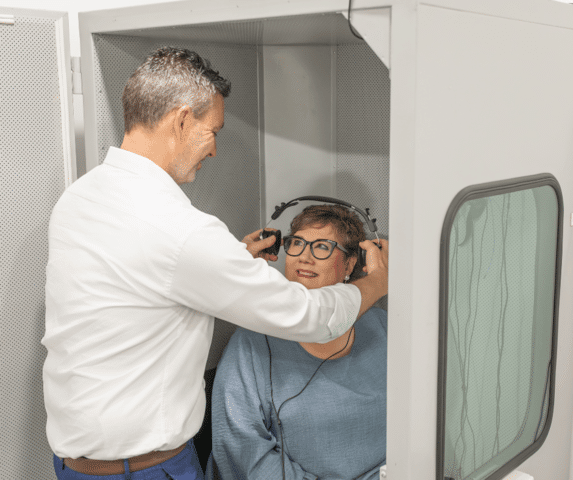
Hearing is one of our most important senses. It keeps us connected to the people and world around us, letting us enjoy conversation, music, and everyday sounds. When hearing starts to decline, even gradually, it can have a big impact on how we live and interact.
The good news is that by understanding hearing loss and hearing impairment, you can recognise the signs early and take steps to protect your hearing. At Hearing Aid Specialists SA, we’re here to guide you every step of the way.
What is Hearing Loss?
Hearing loss happens when a person’s ability to detect sound is reduced, either partially or completely. It can adversely affect one or both ears and can range from mild to severe. According to the World Health Organization (WHO), over 1.5 billion people around the world live with some degree of hearing loss, and this number is only going to increase in the coming years.
The three main types of hearing loss are:
Conductive hearing loss: This type of hearing loss is caused by issues in the outer or middle ear (eg: earwax build-up or infection)
Sensorineural hearing loss: Results from damage to the internal ear or auditory nerve. This happens often due to factors such as ageing, noise exposure or genetics.
Mixed hearing loss: This type of hearing loss is a combination of both- conductive and sensorineural hearing loss.
Each type of hearing loss mentioned above needs a different approach to diagnosis and treatment which makes professional assessment very important.
Are Hearing Loss and Hearing Impairment the Same?
While the terms “hearing loss” and “hearing impairment” are often used interchangeably, they aren’t exactly the same. Hearing loss generally refers to a reduction in the ability to hear sounds, which can range from mild to severe. Hearing impairment, on the other hand, is a broader term that includes any difficulty with hearing, whether it’s partial or complete, and can affect communication and daily life. Understanding the difference helps in choosing the right support and treatment.
Common Causes of Hearing Loss
Hearing loss can develop for several reasons. Some are preventable, while others are part of natural ageing. Here are the most common causes:
- Ageing (Presbycusis): Gradual loss of hearing as part of the ageing process.
- Noise exposure: Prolonged exposure to loud music, machinery, or urban noise.
- Ear infections: Repeated infections can damage the middle ear structures.
- Earwax blockage: Excessive wax can block sound transmission.
- Injury or illness: Head trauma, meningitis, or viral infections can affect hearing.
- Genetic factors: Some types of hearing impairment run in families.
Early detection through regular hearing tests can significantly reduce long-term damage and improve outcomes.
Signs You Might Have Hearing Impairment
Many people don’t realise they’re experiencing hearing loss because it often happens gradually. Look out for these signs:
- Frequently asking people to repeat themselves.
- Turning up the TV or radio louder than others prefer.
- Struggling to follow conversations, especially in groups or noisy settings.
- Feeling isolated or frustrated during social interactions.
- Difficulty hearing on the phone.
The Emotional and Social Impact of Hearing Loss
Beyond the physical challenges, hearing loss can affect emotional well-being. People often feel disconnected or anxious in social situations, leading to isolation. Studies show that untreated hearing impairment can also contribute to cognitive decline, including conditions like dementia.
At HASSA, we’ve seen how addressing hearing issues early can transform lives. Restoring hearing doesn’t just improve communication it rebuilds confidence, relationships, and independence.
Treatment Options for Hearing Loss and Hearing Impairment
The good news is that modern hearing technology and treatments can make a world of difference. The right solution depends on the type and severity of hearing impairment:
1. Hearing Aids
Advanced hearing aids today are discreet, powerful, and customisable. They amplify sound clearly and comfortably. At Hearing Aid Specialists SA, we offer leading brands like Phonak and Oticon, known for their superior performance and reliability.
2. Assistive Listening Devices
These include specialised amplifiers and TV streamers that make hearing easier in specific situations.
3. Hearing Rehabilitation
Rehabilitation helps individuals adjust to using hearing aids and improve listening skills in various environments.
How to Prevent Hearing Impairment and Hearing Loss
Prevention is always better than cure. Here are a few ways you can protect your hearing:
- Avoid prolonged exposure to loud noise use ear protection when necessary.
- Keep ears clean but avoid inserting objects like cotton buds.
- Get regular hearing tests, especially if you work in noisy environments.
- Manage chronic conditions like diabetes or hypertension that can affect hearing.
- Seek medical advice at the first sign of hearing difficulty.
Why Choose Hearing Aid Specialists SA for Hearing Care
At Hearing Aid Specialists SA, we’re passionate about helping our community hear better and live better. Our team of hearing specialists offers:
- Comprehensive hearing tests using advanced diagnostic tools.
- Tailored hearing aid fittings from trusted global brands.
- Personalised care plans that focus on long-term hearing health.
- Affordable solutions to make better hearing accessible to everyone.
We understand that no two people experience hearing loss the same way that’s why we take a personalised approach to every client.
Take the First Step Towards Better Hearing
Hearing connects us to life to family, friends, and the world around us. Don’t let hearing loss hold you back. Whether you’re experiencing early signs of hearing impairment or simply want to check your hearing health, Hearing Aid Specialists SA is here to help.
Book an appointment today and start taking care of your hearing.