
Hearing is one of our most vital senses — it keeps us connected to loved ones, aware of our surroundings, and engaged in everyday life. But when sounds start fading or conversations become hard to follow, it could be a sign of hearing loss or hearing impairment.
In Australia, millions of people experience some degree of hearing difficulty, yet many delay seeking help. The good news? With the right diagnosis, treatment, and support, hearing can often be improved and quality of life restored.
This guide explores what causes hearing loss, how it differs from hearing impairment, when to get tested, treatment options available, and how HASSA — one of Australia’s trusted hearing care providers — supports individuals through every stage of their hearing journey.
What Causes Hearing Loss?
Hearing loss occurs when any part of the ear — the outer, middle, or inner ear — is damaged or not functioning properly. It can range from mild to profound and can affect one or both ears.
Some of the most common causes of hearing loss include:
1. Ageing (Presbycusis)
As we age, the delicate hair cells inside the inner ear naturally deteriorate. This gradual loss affects the ability to hear high-frequency sounds, making conversations or TV dialogue harder to follow.
2. Noise Exposure
Prolonged exposure to loud environments — such as construction sites, concerts, or even high-volume headphones — can damage inner ear structures. This type of hearing loss is often permanent but preventable.
3. Ear Infections and Illness
Repeated ear infections or medical conditions like meningitis or measles can affect hearing over time.
4. Genetics
Some people are born with a genetic predisposition to hearing loss or develop it due to inherited conditions.
7. Earwax Blockage
Something as simple as a wax buildup can cause temporary hearing issues. Fortunately, this is one of the easiest causes to treat.
5. Exposure to Lound Noise
Regular or sudden exposure to loud noise—whether at work, during concerts, or through headphones—can damage the delicate structures in the ear and lead to hearing loss over time. Protecting your ears and limiting noise exposure is key to prevention.
Difference Between Hearing Loss and Hearing Impairment
Although the terms hearing loss and hearing impairment are often used interchangeably, there’s a subtle but important difference.
- Hearing loss is the physical condition — a measurable reduction in hearing ability caused by damage or dysfunction in the ear or auditory nerve.
- Hearing impairment, on the other hand, refers to the impact this loss has on a person’s ability to communicate or function in daily life.
In simple terms:
All hearing impairment includes hearing loss, but not all hearing loss results in impairment.
For example, someone with mild hearing loss might not notice everyday difficulties, while another with moderate impairment could struggle in social or work environments. Understanding this distinction helps Audiologists and Audiometrists, like those at Hearing Aid Specialists SA, tailor treatment plans that address both the physical and emotional effects of hearing changes.
When Should You Get a Hearing Test?
Early detection is crucial when it comes to hearing issues. The sooner a problem is identified, the easier it is to manage and prevent further deterioration.
You should consider getting a hearing test if you experience any of the following signs:
- Frequently asking others to repeat themselves
- Turning up the TV or radio volume higher than usual
- Struggling to follow conversations in noisy settings
- Ringing or buzzing in the ears (tinnitus)
- Feeling isolated or withdrawn in social situations
For adults, it’s recommended to get a hearing test every 2–3 years, or sooner if symptoms appear. After age 50, it’s generally recommended to have your hearing tested every year. Regular hearing assessments not only detect problems early but also provide a baseline to track changes over time.
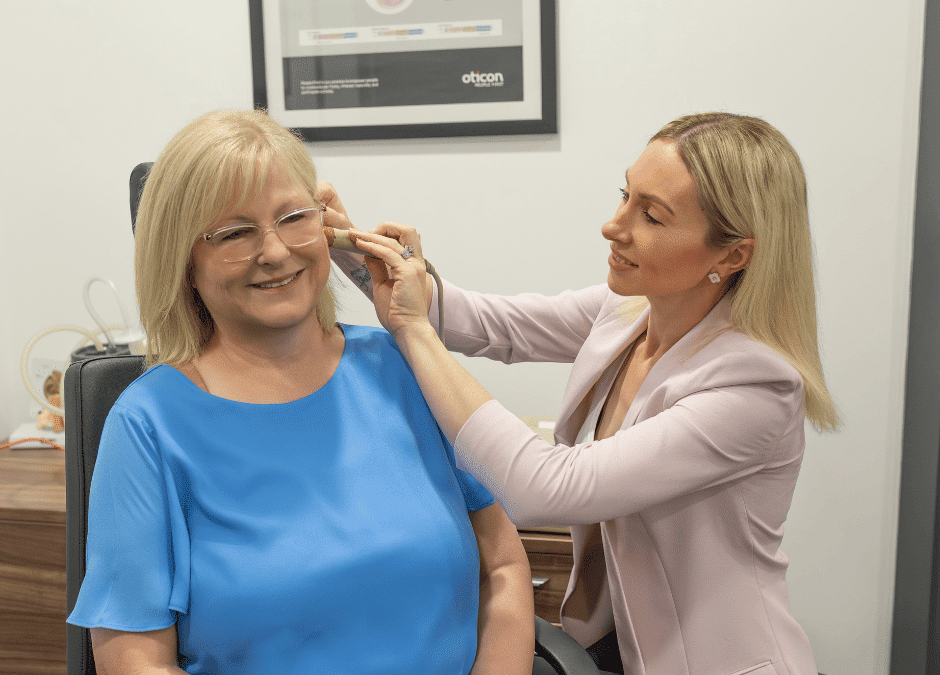
At Hearing Aid Specialists SA, hearing tests are conducted using advanced diagnostic equipment by qualified Audiologists and Audiometrists. The process is comfortable, precise, and designed to give you clear answers about your hearing health.
How to Treat Hearing Impairment
Treatment for hearing impairment depends on its type and severity. The goal is to restore or improve hearing while helping individuals adapt to any permanent changes.
Here are the most common treatment approaches:
1. Hearing Aids
For most people with sensorineural hearing loss (damage to the inner ear), hearing aids are the most effective solution. Modern devices, such as Phonak and Oticon hearing aids, offer crystal-clear sound, Bluetooth connectivity, and discreet designs. They enhance speech clarity while filtering out background noise — making communication effortless again.
2. Microsuction Wax Removal
If hearing loss is caused by earwax blockage, microsuction is the safest and most effective treatment. This quick, gentle procedure removes excess wax using a small suction device — no water irrigation needed. It provides immediate relief and can instantly restore hearing affected by wax build-up.
3. Assistive Listening Devices
These include amplified telephones, TV streamers, or alert systems that help individuals with moderate impairment stay connected.
4. Aural Rehabilitation and Counselling
Adjusting to hearing aids or hearing loss can be an emotional journey. Audiologists and Audiometrists at Hearing Aid Specialists SA offer ongoing support, counselling, and auditory training to help clients regain confidence and communication skills.
Best Hearing Aids for Hearing Loss in Australia
Choosing the right hearing aid is a personal decision that depends on your level of hearing loss, lifestyle, and budget. Some of the best and most trusted brands available in Australia include:
Phonak Hearing Aids
Known for their innovative Swiss engineering, Phonak hearing aids deliver superior sound clarity and comfort. They offer features like automatic sound adjustment, rechargeable batteries, and smartphone connectivity.
Oticon Hearing Aids
Oticon’s “BrainHearing” technology supports how the brain naturally interprets sounds, making conversations more effortless and less tiring.
Invisible and Rechargeable Options
Many modern hearing aids are nearly invisible, fitting discreetly inside the ear canal. Others come with easy charging docks instead of disposable batteries — perfect for convenience and eco-friendliness.
Hearing Aid Specialists SA proudly offers a wide range of hearing aids in Australia, ensuring clients receive customised solutions that match their hearing profile and lifestyle.
Take the First Step to Better Hearing with Hearing Aid Specialists SA
Hearing loss and hearing impairment affect people of all ages, but early detection and treatment make all the difference. By understanding the causes, recognising the symptoms, and seeking professional care, you can preserve your hearing health for years to come.
If you’ve noticed any changes in your hearing, don’t wait — book a hearing test with Hearing Aid Specialists in SA today. Let their caring team help you find the best hearing solution, so you can keep listening to the moments that matter most.