
Get a Quick Call Back

The Effects of Hearing Loss
Hearing loss occurs when one or more parts of the ear or auditory pathway do not work as well as they should. It can make communication difficult, be frustrating, and have a significant effect on a person’s life. Therefore, seeking appropriate treatment for hearing impairment is important.
Hearing loss can not only cause safety issues for a person, but can also lead to an increase risk of falls, social isolation, mental health issues and cognitive decline. Untreated hearing loss can intrude on every part of person’s life, and it is therefore important to identify the hearing impairment and treat it. At Hearing Aid Specialists SA we can assess your hearing and provide you with guidance on the best way to address any hearing loss that is found.
Symptoms of Hearing Impairment
There are numerous symptoms of hearing loss. These include:
- Feeling like people are mumbling
- Needing to turn the volume up on the TV or radio
- Needing to ask people to repeat themselves
- Difficulty hearing on the phone
- Finding having conversations just generally more difficult, tiring, or stressful – particularly in noisy environments
If you are experiencing any of these symptoms, then it is important to have a hearing assessment so your hearing loss can be identified and treated. Our expert clinicians at Hearing Aid Specialists SA will ask you about the symptoms of hearing impairment you have noticed as part of your hearing assessment.

Types of Hearing Loss
Hearing loss can be either conductive or sensorineural.
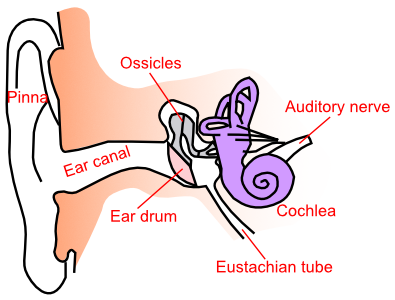
Conductive Hearing Loss
With a conductive hearing loss, there is an issue with the middle or outer ear. This type of hearing impairment may be temporary and can often be treated medically. For example, if there is fluid sitting in the middle ear – then seeking treatment to resolve the fluid can help to recover your hearing. If medical treatment is not appropriate or not successful, then hearing aids may be a good treatment option.
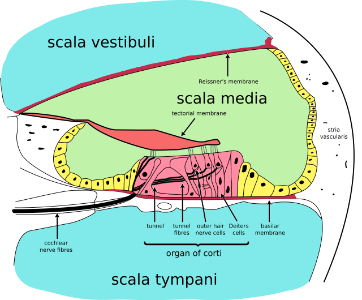
Sensorineural Hearing Loss

What Causes Hearing Loss?
Hearing loss can develop for many different reasons, and the cause can vary from person to person. Some types of hearing loss develop gradually with age, while others may result from exposure to loud noise, illness, injury or problems affecting the ear.
Common causes of hearing loss include:
- Age-related changes in hearing
- Long-term exposure to loud noise
- Ear infections or other ear conditions
- Blockages such as excessive ear wax
- Head or ear injuries
- Genetic or hereditary factors
- Certain illnesses or medical conditions
- Exposure to some medications that can affect hearing
Understanding the possible cause of hearing loss is important because it can help determine the most appropriate treatment or management option. A comprehensive hearing assessment can help identify the type and degree of hearing loss and determine whether further medical assessment may be required.
What Are the Different Degrees of Hearing Loss?
Hearing loss is not the same for everyone. It can range from mild difficulty hearing certain sounds to profound hearing loss that makes communication extremely difficult without appropriate support.
Hearing loss is commonly described as:
- Mild hearing loss:Some quieter sounds may be difficult to hear, particularly in background noise.
- Moderate hearing loss:Following conversations can become more challenging, and speech may need to be louder or clearer.
- Severe hearing loss:Understanding speech without amplification can be difficult, even in quieter environments.
- Profound hearing loss:Most everyday sounds and speech may be very difficult or impossible to hear without significant hearing support.
A hearing assessment can determine the degree of hearing loss and help your hearing clinician recommend suitable options.

Can Hearing Loss Affect One or Both Ears?
Hearing loss can affect one ear or both ears. Hearing loss in one ear can make it more difficult to identify where sounds are coming from and understand conversations when there is background noise.
When hearing loss affects both ears, people may experience greater difficulty following conversations, particularly in busy environments such as restaurants, workplaces or family gatherings.
If you notice a sudden change in hearing in one or both ears, it is important to seek medical advice promptly.

Treatment for Hearing Impairment
At Hearing Aid Specialists SA, we will assess your hearing to identify the type and level of hearing loss. This will enable us to guide you as to what the appropriate treatment might be. Depending on the cause of your hearing loss, treatment might involve removing ear wax, referring you for medical management of your hearing loss, or putting a rehabilitation program into place that might include counselling, communication skills and/or hearing aids. It is important that you understand what treatment is being recommended any why, so if you have any questions, you should ask your hearing clinician.
What Are the Treatment Options for Hearing Loss?
The appropriate approach to managing hearing loss depends on its cause, type and severity. Depending on your individual circumstances, treatment or management may include medical treatment, ear wax removal, hearing rehabilitation, communication strategies or hearing aids.
For people with permanent hearing loss, hearing aids can help make speech and everyday sounds easier to hear. Modern hearing aids are available in different styles and technology levels, allowing hearing solutions to be selected according to individual hearing needs, lifestyle and preferences.
A hearing clinician can discuss the available options with you after assessing your hearing.

How Is Hearing Loss Diagnosed?
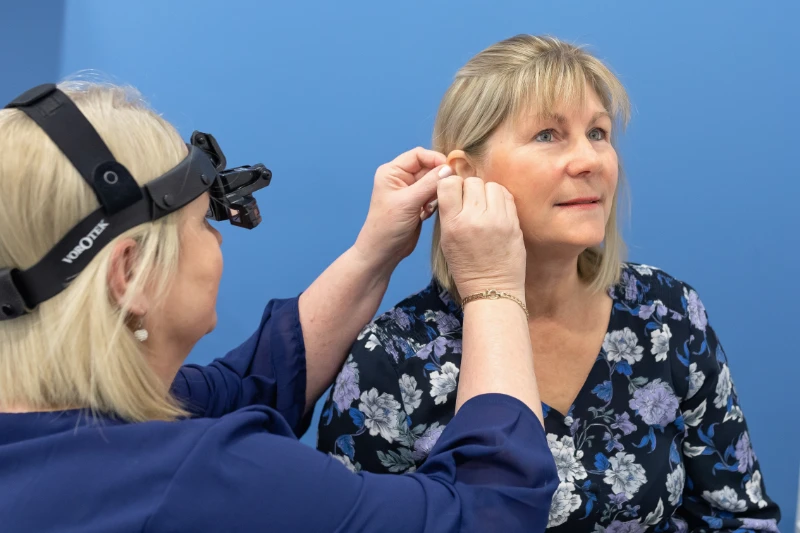
The first step in understanding your hearing is having a professional hearing assessment. During an assessment, a hearing clinician will discuss any concerns or symptoms you have noticed and assess how well you can hear different sounds.
The results can help determine:
- Whether hearing loss is present
- The degree and type of hearing loss
- Whether one or both ears are affected
- How hearing loss may be affecting your communication
- Whether hearing aids or other treatment options may be appropriate
- Whether further medical assessment or referral is required
If you are concerned about changes in your hearing, book a hearing test to discuss your hearing with a qualified clinician.
How Can Hearing Loss Affect Everyday Communication?
Hearing loss can affect more than simply being able to hear sounds. It can make everyday communication more difficult, particularly when several people are talking or there is background noise.
People experiencing hearing loss may find themselves asking others to repeat themselves, relying more heavily on lip reading, avoiding group conversations or feeling tired after trying to follow conversations.
These difficulties can affect communication at home, at work and during social activities. Identifying hearing loss early and exploring suitable management options can help make communication easier and support a better quality of life.

When Should You Have Your Hearing Tested?
You may benefit from a hearing assessment if you regularly:
- Ask people to repeat themselves
- Increase the volume of your television or phone
- Struggle to follow conversations in noisy places
- Have difficulty hearing on the telephone
- Feel that people are mumbling
- Find conversations tiring or stressful
- Notice that your hearing has changed
Even if your hearing loss seems mild, having your hearing assessed can help you understand what is happening and whether any action is recommended.
Important: Sudden hearing loss should be treated differently from gradual hearing changes. As the existing HASSA page already states, a sudden change in hearing should be assessed urgently.
Do you have any symptoms or concerns?
It is important that if you ever notice a sudden change in your hearing, you should contact Hearing Aid Specialists SA or your doctor urgently. Depending on the nature of the change in hearing, receiving treatment in a timely manner can be key to recovering some or all of the lost hearing.
Given the potential consequences of hearing loss, if you have any hearing loss symptoms or are concerned about your hearing, do not hesitate to contact us to have your hearing assessed.
Frequently Asked Questions About Hearing Loss
What are the first signs of hearing loss?
Common early signs include frequently asking people to repeat themselves, increasing the television volume, struggling to follow conversations in noisy environments and feeling that people are mumbling.
Can hearing loss be treated?
Treatment depends on the type and cause of hearing loss. Some conductive hearing loss may be medically treatable, while permanent sensorineural hearing loss is commonly managed with hearing aids and other rehabilitation options.
Can hearing loss be prevented?
Some types of hearing loss can be reduced by protecting your ears from excessive noise, managing ear health and seeking appropriate medical or hearing care when problems occur. However, not all hearing loss can be prevented.
Is hearing loss a normal part of ageing?
Age-related changes in hearing are common, but significant hearing difficulty should not simply be ignored. A hearing assessment can determine whether hearing loss is present and help identify suitable management options.
Can hearing loss affect only one ear?
Yes. Hearing loss can affect one ear or both ears. If hearing changes suddenly, particularly in one ear, seek medical advice promptly.
When should I see an audiologist for hearing loss?
If you notice ongoing difficulty hearing conversations, frequently ask people to repeat themselves, struggle in noisy environments or notice a change in your hearing, a professional hearing assessment can help determine the cause and appropriate next steps.